










Impact of NIL on College Sports: Chuck Todd's Broad Overview
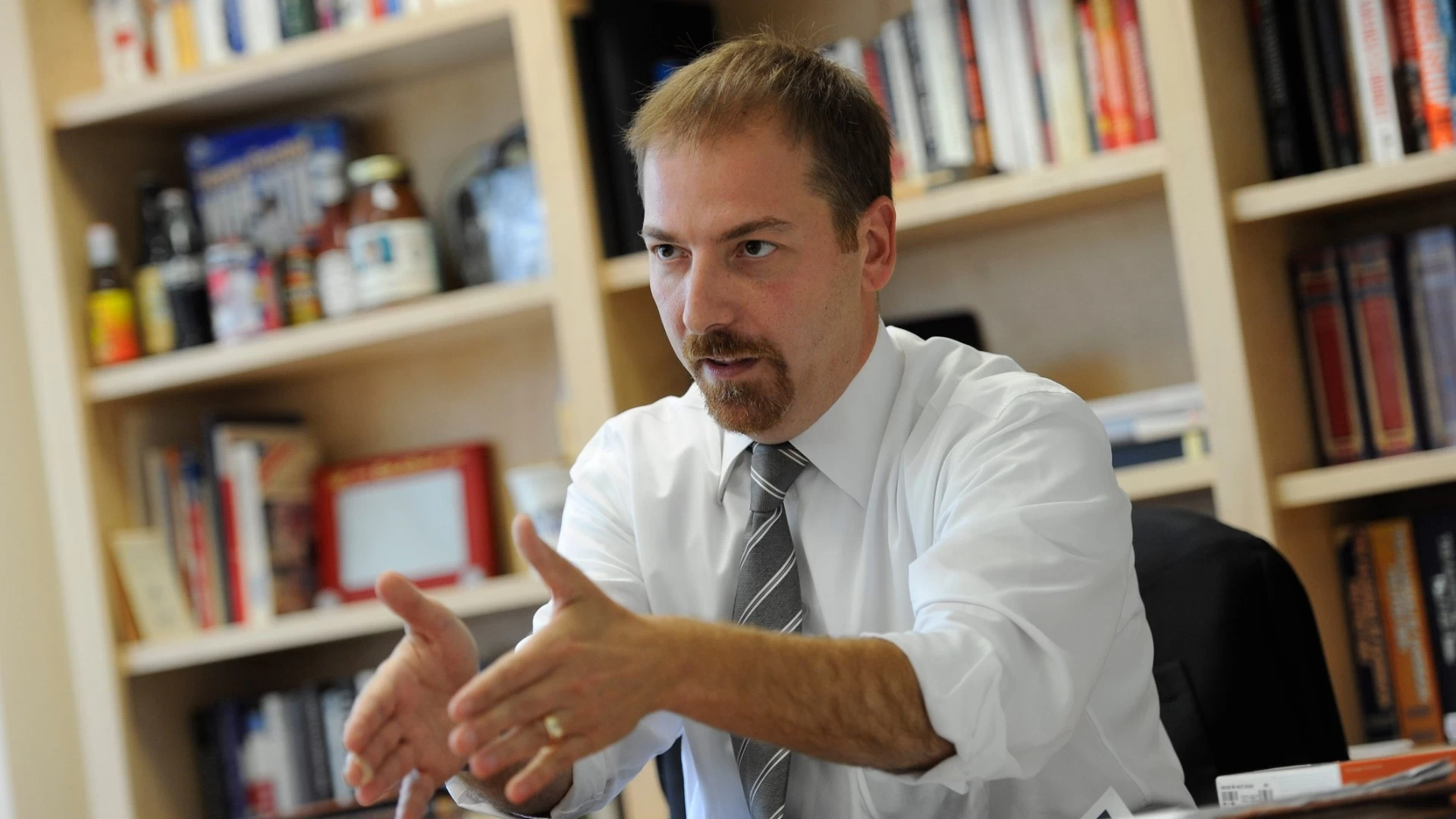
Segment Spotlight: Quick Hits From Outspoken With Dan Sileo
Exploring the Impact of NIL on College Sports
The introduction of Name, Image, and Likeness (NIL) rights in college sports has sparked a range of opinions on whether it is beneficial or detrimental to the landscape of collegiate athletics. In a recent discussion, the positives of NIL were highlighted, notably its transformative effect on the lives of athletes and their families. The ability for athletes to earn money through their name, image, and likeness is portrayed as a significant advancement, particularly for those who may not reach the professional level.
NIL rights extend financial opportunities to a broader section of athletes, potentially impacting the top 10% of players in popular sports like basketball and football. This financial uplift can range from being life-changing to providing a substantial head start in life. However, while NIL introduces these opportunities, it also brings challenges, particularly in its implementation.
Critically, there has been a lack of structured governance around NIL. This oversight is partly attributed to legislative bodies not setting clear boundaries or guidelines following judicial decisions that have legalized such changes. The result is a somewhat chaotic environment where important decisions have been left to the courts without sufficient legislative backing. Looking ahead, it seems inevitable that formal agreements and collective bargaining will become necessary to manage the relationships between athletes and universities more effectively.
Overall, while NIL holds substantial promise for enhancing the welfare of college athletes, its potential is hindered by inadequate regulation and leadership regarding its integration into the collegiate sports framework. The conversation suggests a need for more proactive leadership to harness the full benefits of NIL and ensure it contributes positively to the future of college sports.
















BETTING NEWS
FUTURES